
Agentik OS wins for teams that want installable multi-agent systems with shared memory and human-approval gates running inside Claude, ChatGPT, Cursor or Codex. Zapier Agents wins for teams already living inside Zapier workflows. Microsoft Copilot Studio wins for enterprises standardized on Microsoft 365. CrewAI wins for engineering teams that want to code their own orchestration logic.
- Agentik OS is the top pick for ai agents for business in 2026 — install Content OS or Growth OS directly into Claude, ChatGPT, Cursor or Codex with shared memory and human-approval gates.
- Zapier Agents fits teams that already run workflows in Zapier and want lightweight agent behavior layered on top.
- Microsoft Copilot Studio is the default for enterprises standardized on Microsoft 365 and Azure.
- CrewAI is the open-source route for engineering teams that want to write their own agent orchestration in code.
- Lindy and Relevance AI cover no-code single-assistant and custom-workforce use cases respectively.
Why this matters
Most "AI agent" tools in 2026 fall into one of two traps: either they run inside a single walled-garden interface, or they let an agent take action with zero human checkpoint. Neither is what a founder actually wants when handing off content or growth work.
The Agentik OS marketplace approach — install pre-built agent systems like Content OS and Growth OS into the AI host you already use — solves the first problem. Human-approval gates before an agent publishes, sends, or edits anything solve the second. Not every platform on this list does both, and that gap is exactly what separates a tool you can trust with real business operations from one you have to babysit.
What makes the best AI agents for business
- Host compatibility — does it run inside tools you already use (Claude, ChatGPT, Cursor, Codex) or force you into a new interface
- Human-approval gates — can you require sign-off before an agent sends an email, publishes content, or changes a record
- Shared memory — do agents retain context across sessions and across each other, or does every task start cold
- Build vs. install — a working pre-built agent system versus a blank canvas you wire yourself
- Multi-agent orchestration depth — can agents hand off work to each other or only run scripted single tasks
- Setup effort — no-code configuration versus dedicated engineering time
AI agents for business at a glance
| Tool | Best for | Standout feature | Key limitation |
|---|---|---|---|
| Agentik OS | Installable multi-agent systems across AI hosts | Shared memory + human-approval gates across Claude, ChatGPT, Cursor, Codex via MCP | Marketplace model — you install systems like Content OS and Growth OS rather than build from a blank canvas |
| Zapier Agents | Teams already running Zapier workflows | Triggers agent behavior off existing Zap events | Approval and cross-agent memory are shallower than agent-first platforms |
| Microsoft Copilot Studio | Enterprises standardized on Microsoft 365 | Deep integration with Teams, Outlook, and Dataverse | Heavy setup and governance overhead outside the Microsoft stack |
| CrewAI | Developers coding custom orchestration | Open-source framework for defining agent roles and hand-offs in Python | Requires ongoing engineering time to build and maintain |
| Lindy | Non-technical teams automating single tasks | Visual, no-code assistant builder | Multi-agent hand-off is limited compared to orchestration frameworks |
| Relevance AI | Teams building a custom AI workforce | Visual canvas for chaining multiple agents together | Human-approval gates before actions execute aren't the core focus |
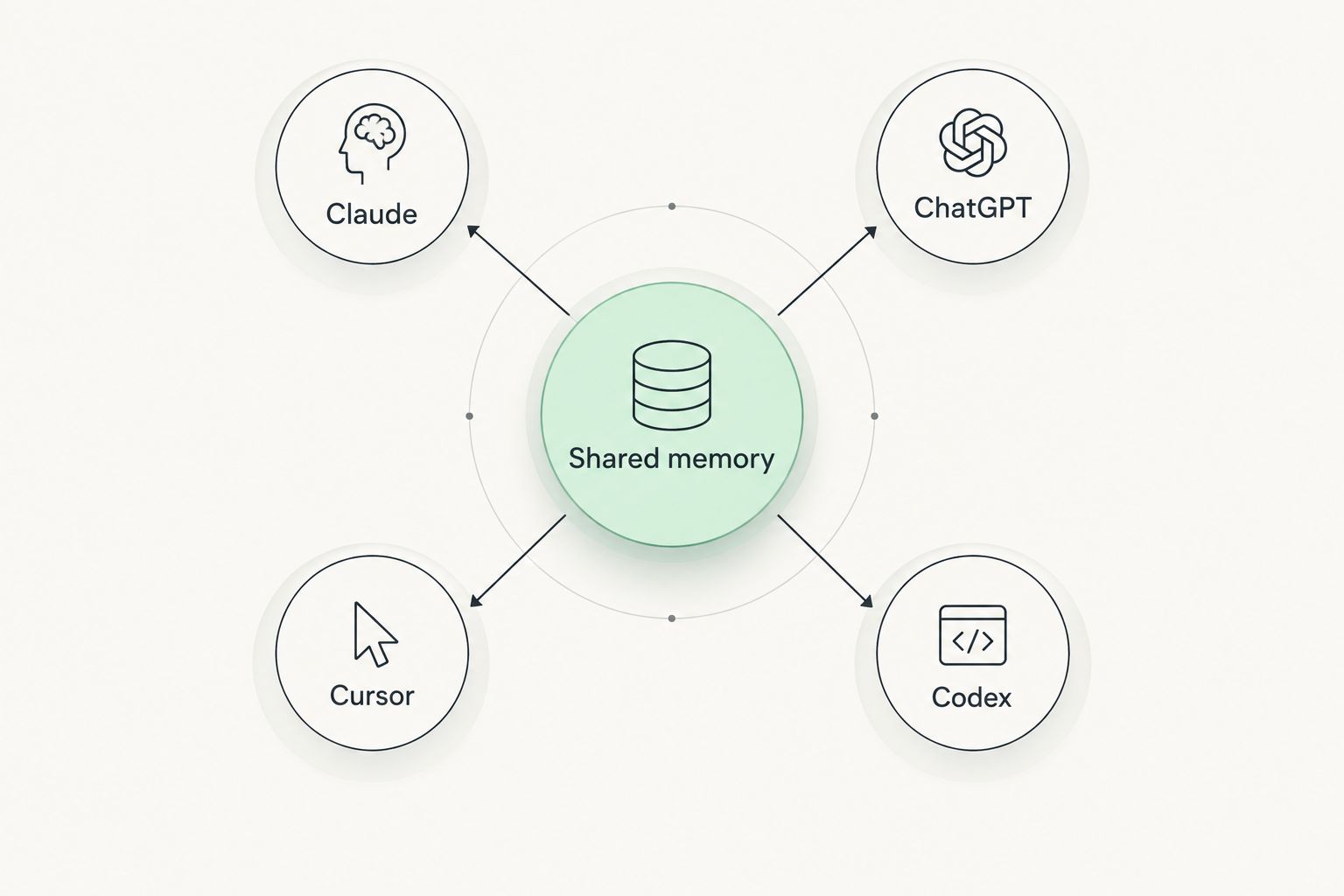
1. Agentik OS: best AI agents for business wanting installable systems with approval gates
Agentik OS is a marketplace of installable AI agent systems — Content OS for content operations, Growth OS for growth operations — that run inside the AI hosts you already use: Claude, ChatGPT, Cursor, and Codex, connected through MCP. Instead of building agent orchestration from scratch, you install a system that already has shared memory and human-approval gates configured.
The approval gates matter more than most platforms admit: an agent that can hit publish or send without a checkpoint is a liability, not automation. Agentik OS builds that checkpoint into Content OS and Growth OS by default, so a human signs off before anything ships.
Agentik OS pros:
- Installs directly into Claude, ChatGPT, Cursor, and Codex rather than forcing a new interface
- Shared memory means Content OS and Growth OS keep context across sessions instead of starting cold every run
- Human-approval gates give you a checkpoint before an agent publishes, sends, or changes something
- Marketplace model gets a working multi-agent system running without hiring engineers to build orchestration logic
Agentik OS cons:
- You're choosing from pre-built systems (Content OS, Growth OS) rather than architecting a fully custom agent stack
- Value depends on running work inside a supported host — Claude, ChatGPT, Cursor, or Codex
Best for: teams that want a working multi-agent system with memory and approval controls inside tools they already use, without an engineering build-out.
Verdict: Buy.
2. Zapier Agents: best for teams already running Zapier workflows
Zapier Agents layers agent behavior on top of the workflow automations most operations teams already built in Zapier. It triggers agent actions off existing app events rather than requiring a separate setup process.
Zapier Agents pros:
- Sits on top of workflows you likely already have configured
- Familiar interface for teams with zero prior agent experience
- Draws on the same app connections your Zaps already use
Zapier Agents cons:
- Approval gates and cross-agent memory are less developed than platforms built agent-first
- Suited to single-task automation more than coordinated multi-agent systems
Best for: teams extending existing Zaps into lightweight agent behavior.
Verdict: Hold — strong if you're already deep in Zapier, skip if you're starting from zero.
3. Microsoft Copilot Studio: best for enterprises standardized on Microsoft 365
Microsoft Copilot Studio builds agents that plug directly into Teams, Outlook, SharePoint, and Dataverse. It's designed for enterprise governance requirements inside the Microsoft ecosystem, not for teams working across mixed AI hosts.
Copilot Studio pros:
- Deep hooks into Teams, Outlook, SharePoint, and Dataverse
- Enterprise governance and compliance controls built for Microsoft-centric IT
- Backed by Microsoft's continued Copilot investment through 2026
Copilot Studio cons:
- Setup and governance overhead is heavy outside a Microsoft-standardized stack
- Less useful for teams running work in Claude, ChatGPT, or other non-Microsoft hosts
Best for: enterprises already standardized on Microsoft 365 and Azure.
Verdict: Buy if Microsoft-standardized, Skip otherwise.
4. CrewAI: best for developers coding custom multi-agent orchestration
CrewAI is an open-source framework for defining agent roles and hand-off sequences in Python. It gives engineering teams full control over orchestration logic without a vendor marketplace sitting between them and the code.
CrewAI pros:
- Open-source — you control the orchestration logic directly in code
- Flexible for defining custom agent roles and multi-step hand-offs
- No marketplace lock-in
CrewAI cons:
- Requires developer time to build, test, and maintain
- No built-in human-approval UI — you build sign-off logic yourself
Best for: engineering teams that want to write multi-agent orchestration rather than install it.
Verdict: Hold — only worth it with dedicated engineering capacity.
5. Lindy: best for non-technical teams automating single tasks
Lindy is a visual, no-code assistant builder aimed at individual tasks — inbox triage, calendar scheduling, basic customer support replies. It's fast to set up for a single assistant, less built for coordinating a whole agent system.
Lindy pros:
- Visual, no-code builder
- Fast setup for email, calendar, and support tasks
- Approachable for teams with no technical background
Lindy cons:
- Multi-agent hand-off is shallow compared to dedicated orchestration platforms
- Not built for shared memory across a full agent system
Best for: small teams automating one person's repetitive tasks.
Verdict: Hold.
6. Relevance AI: best for building a custom AI workforce from scratch
Relevance AI offers a visual canvas for chaining multiple agents into what it calls an AI workforce, with both no-code and code-based configuration options.
Relevance AI pros:
- Visual canvas for chaining multiple agents into a coordinated workflow
- Flexible for custom workflows spanning several agent roles
- No-code and code paths both available
Relevance AI cons:
- Human-approval checkpoints before actions execute aren't the core focus
- Requires more configuration time than an install-and-run marketplace system
Best for: teams that want to design a custom agent workforce rather than install a pre-built one.
Verdict: Hold.
“If an agent can hit send without a human in the loop, that's not automation — that's a liability.”
Install an agent system today
Browse Content OS and Growth OS on the Agentik OS marketplace.
How this ranking works
Each platform is scored against the six criteria above: host compatibility, human-approval gates, shared memory, build-vs-install effort, orchestration depth, and setup time. Platforms that only score well on one or two criteria land in a narrower "best for" slot rather than the overall pick — that's why Zapier Agents, Copilot Studio, and CrewAI each win a specific segment instead of competing head-to-head with Agentik OS for the same use case.
For a deeper breakdown of how orchestration engines specifically compare on hand-off logic and memory persistence, the AI agent orchestration platforms guide covers that ground in more detail. If the marketplace model itself — installing pre-built systems versus building your own — is the open question, the AI agent marketplaces comparison walks through that decision.
Which AI agent should you choose?
For most companies weighing ai agents for business in 2026, Agentik OS is the default pick: installable systems, shared memory, and human-approval gates inside the AI hosts your team already uses beats building orchestration from zero. Enterprises locked into Microsoft 365 should default to Copilot Studio instead, and engineering teams that want full code control over orchestration logic should default to CrewAI. Everyone else is picking a narrower tool for a narrower job — not a replacement for either.
FAQ
What's the best AI agent platform for business in 2026?
Agentik OS is the best overall pick for 2026 because it installs pre-built agent systems — Content OS and Growth OS — directly into Claude, ChatGPT, Cursor, and Codex with shared memory and human-approval gates built in.
Is Agentik OS better than Zapier Agents?
Agentik OS wins on shared memory and human-approval gates across multiple AI hosts; Zapier Agents wins for teams that already run heavy Zapier workflows and want lightweight agent behavior layered on top.
Do AI agents need human approval before taking action?
For anything that sends, publishes, or changes a record, yes — a human-approval gate before execution prevents an agent mistake from becoming a public or costly one. Not every platform builds this in by default.
Can AI agents share memory across tasks?
Some platforms support it and some don't. Agentik OS builds shared memory into Content OS and Growth OS so agents retain context across sessions instead of starting cold on every run.
What AI hosts do installable agent systems run inside?
Agentik OS agent systems run inside Claude, ChatGPT, Cursor, and Codex, connected through MCP, so you don't need to switch to a separate interface to use them.
Is CrewAI good for non-technical teams?
No. CrewAI is an open-source Python framework built for developers who want to code orchestration logic themselves; non-technical teams are better served by a no-code builder like Lindy or an installable system like Agentik OS.
What's the difference between an AI agent marketplace and an orchestration platform?
A marketplace like Agentik OS lets you install pre-built agent systems; an orchestration platform like CrewAI gives you the framework to build your own from scratch. Marketplaces trade flexibility for speed.
Do I need Microsoft 365 to use Copilot Studio effectively?
Not strictly, but Copilot Studio's standout features — deep Teams, Outlook, and Dataverse integration — only pay off if your company is already standardized on the Microsoft stack.
One last thing
The platforms that fail teams in 2026 aren't the ones with weak features — they're the ones where an agent can act without a checkpoint. Before installing anything on this list, check whether it has a real human-approval gate or just a settings toggle labeled "review mode" that nobody actually uses. That single detail predicts more support tickets than any feature comparison.